Why “Junk Journaling” is the Ultimate Mental Health Hack
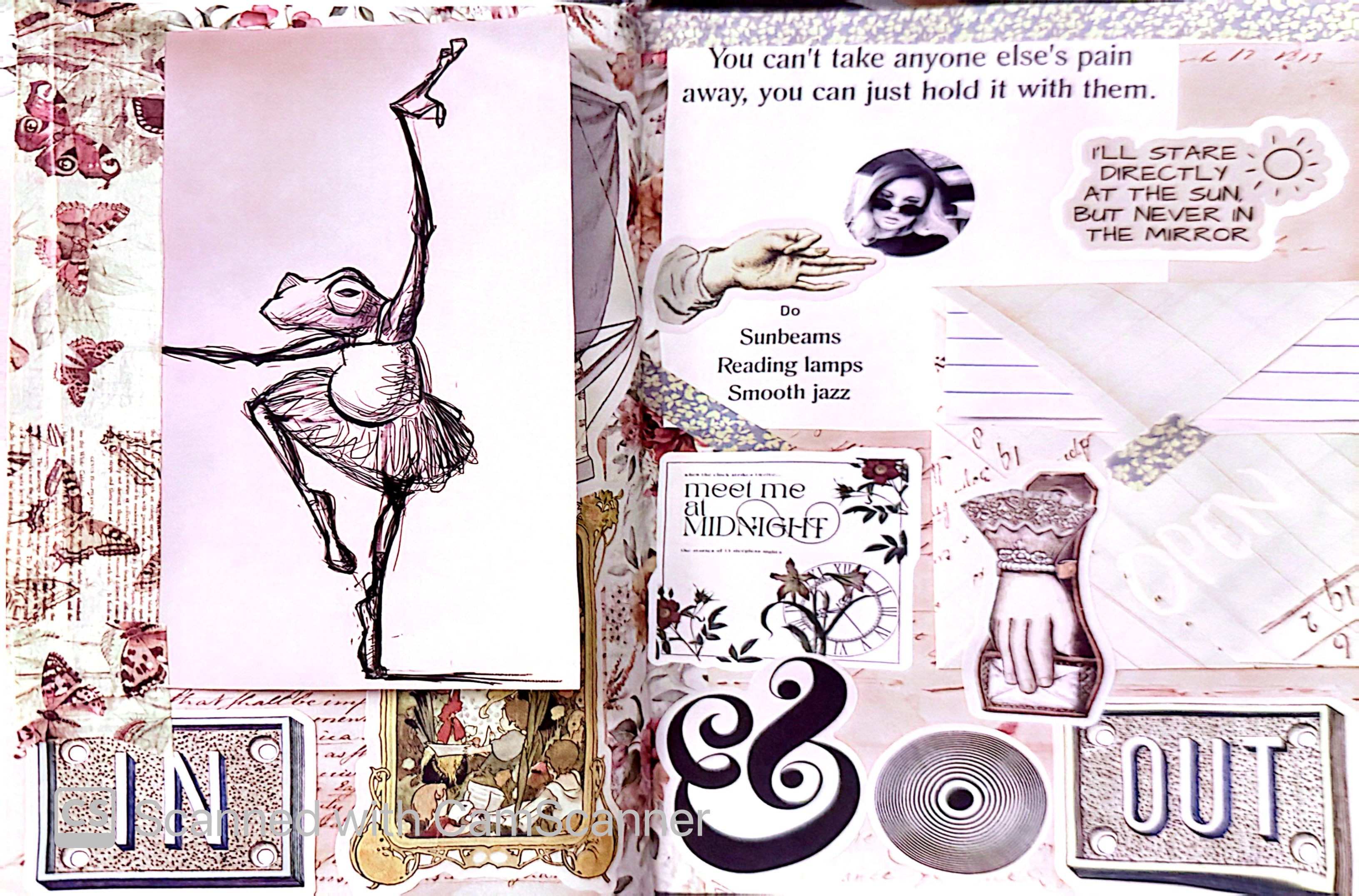
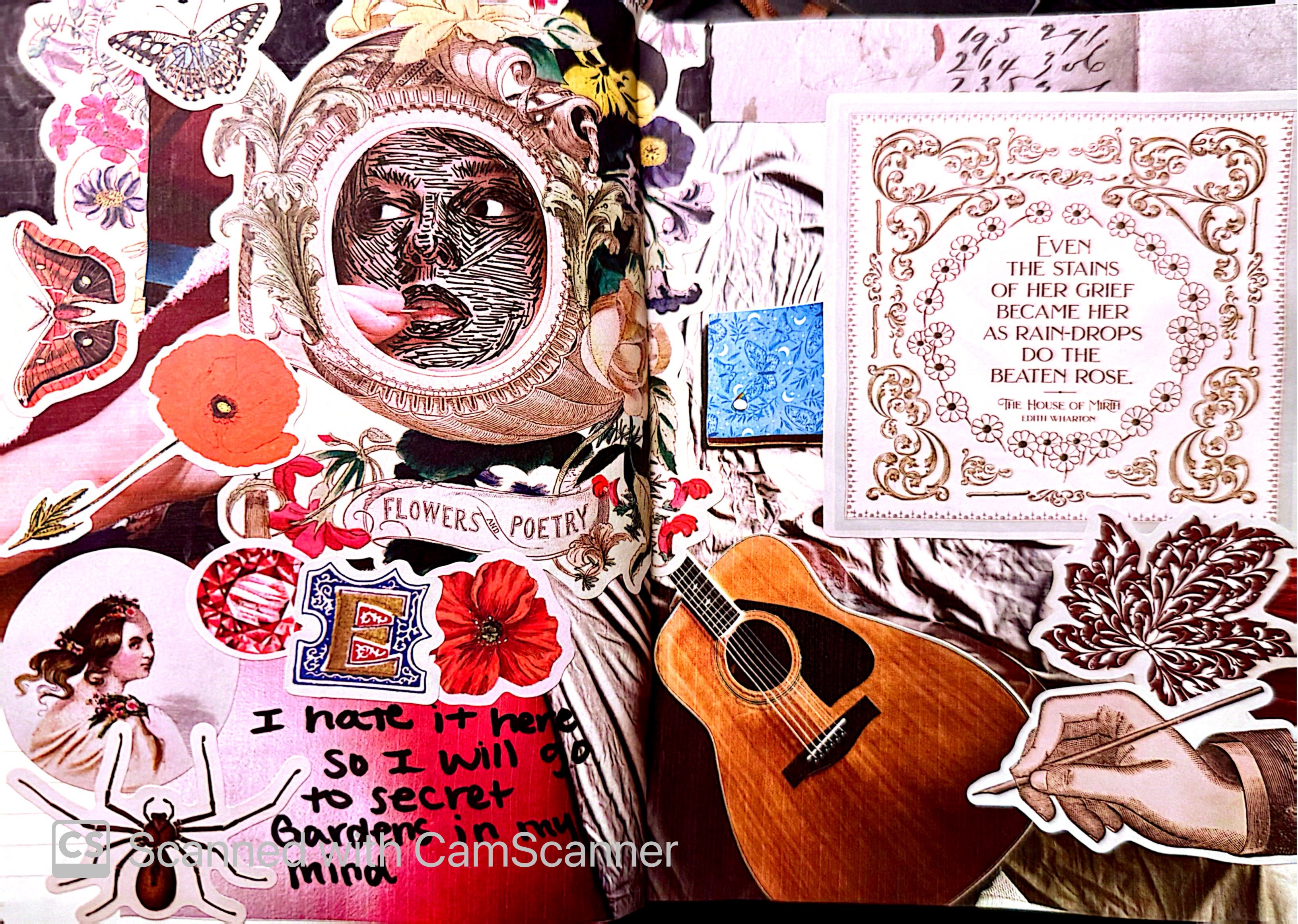
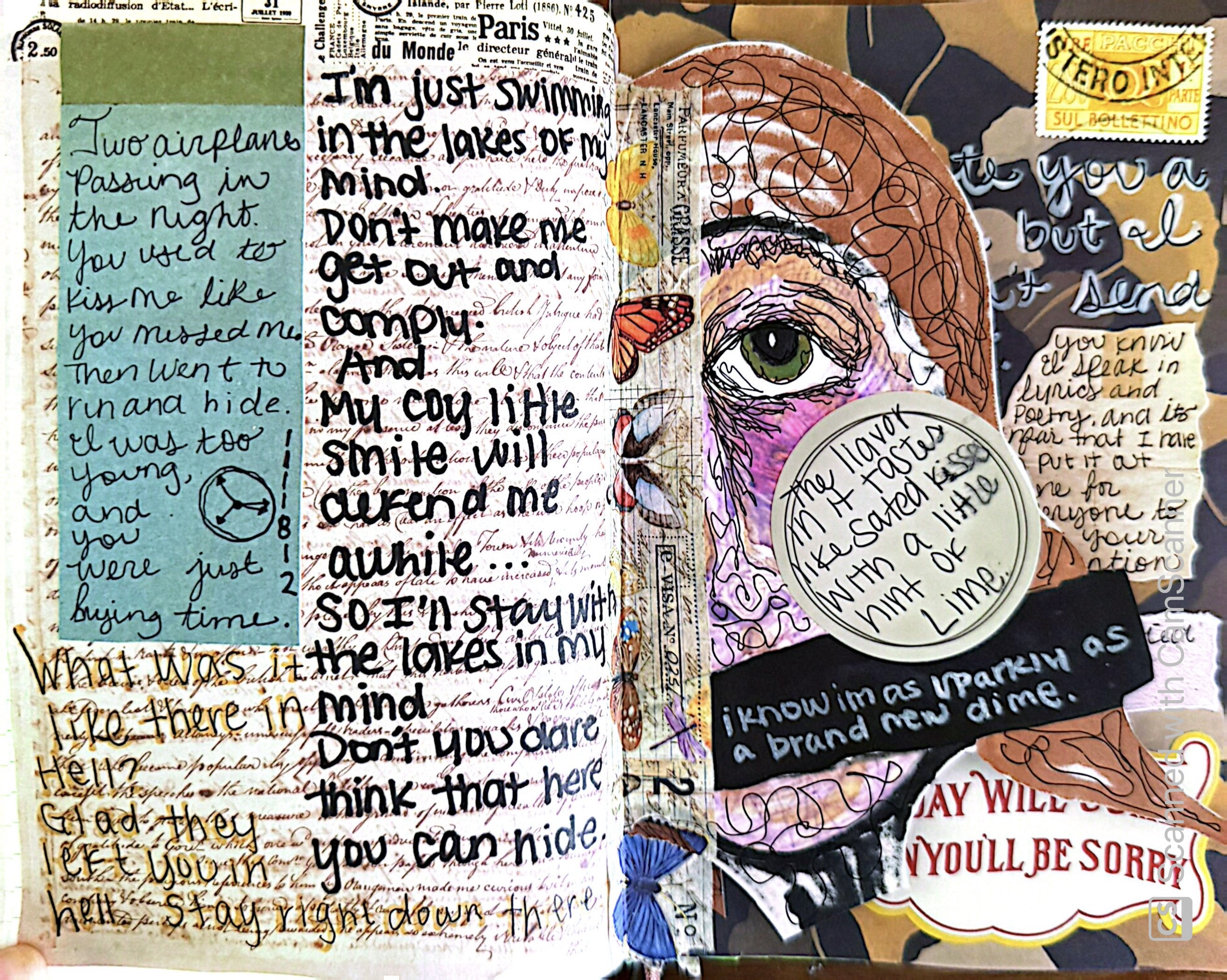
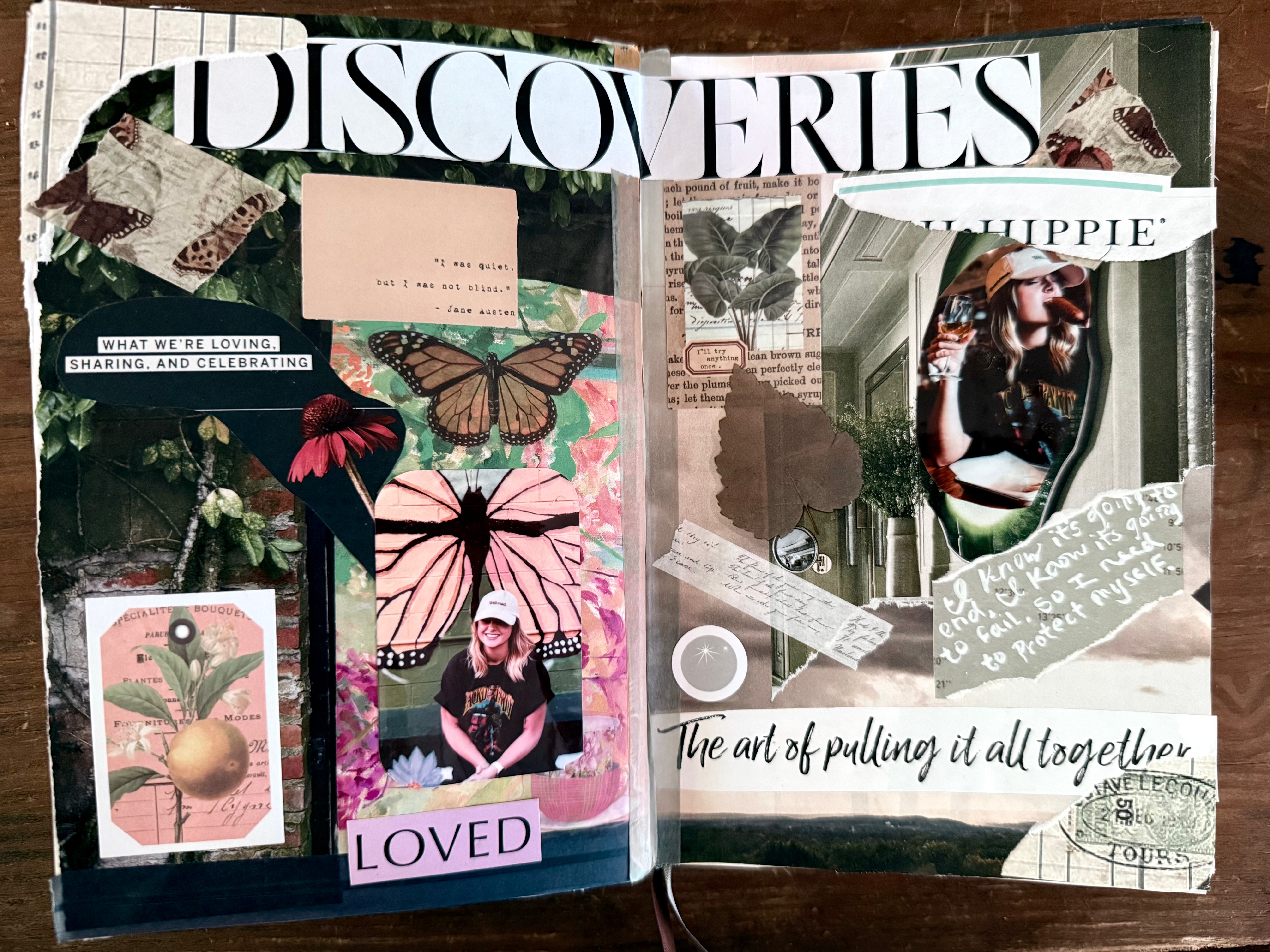
If you’ve ever found yourself saving a slightly wrinkled movie ticket, a beautiful tag from a tea bag, or a scrap of interesting wrapping paper, you already have the makings of a “junk journal,” or as I call it: my trash art diary.
While some might call it scrapbooking, art dairying is its own unique, wonderfully chaotic cousin. It’s the practice of taking everyday ephemera—the “junk” of daily life—and weaving it into a personal, tactile book. But beyond being a creative outlet, junk journaling is a surprisingly powerful tool for mental health.
Here is why getting your hands dirty with glue sticks, torn paper, and old receipts can be incredibly grounding for your mind.
1. It Crushes Perfectionism
Traditional scrapbooking or bullet journaling can sometimes feel intimidating. When you buy a pristine, expensive notebook, the pressure to make every page a masterpiece can actually induce anxiety. Junk journaling flips the script.
- The stakes are zero: You are literally working with trash. An old envelope, a torn magazine page, a piece of cardboard, leftover fabric scraps, and stickers you’ve bought but have no where to put.
- Mistakes are features: Did you smear the ink or glue something slightly crooked? In a junk journal, that just adds texture and character!
By removing the pressure to be perfect, this practice teaches our brains that it is okay to be messy, unfinished, and wonderfully flawed. We, as humans, are messy, in a constant state of change, and wonderfully flawed. It embraces the nature of who we are through creative expression.
2. It Triggers the “Flow” State
Psychologists often talk about “flow”—a state of deep, effortless concentration where you lose track of time. It is highly therapeutic and reduces the constant hum of background anxiety.
The Mindfulness of Making: Ripping paper, listening to the crinkle of a wrapper, and deciding where a specific scrap belongs requires your full, immediate attention.
Because junk journaling is so tactile, it pulls you out of your spiraling thoughts and drops you firmly into the present moment. You aren’t worrying about tomorrow’s inbox; you’re just figuring out if this piece of lace looks better next to that vintage stamp.
3. It Offers a Safe Space for Emotional Processing
Sometimes, our feelings are too complicated or overwhelming to put into neat, linear sentences. Junk journaling allows for abstract expression.
- Visual venting: You can layer dark colors and chaotic scribbles on a bad day, or bright, airy florals on a good one.
- Memory cataloging: By pasting in that movie ticket or coffee sleeve, you are actively acknowledging and validating your own experiences, which helps process memories and emotions in a healthy, grounded way.
- Hidden journaling: You can write down your deepest frustrations on a scrap of paper, and then glue another piece of paper right over it. The feelings are released, but kept entirely private.
4. It Forces a Digital Detox
We spend the vast majority of our lives looking at flat, glowing screens. Our brains crave sensory input and physical reality.
Junk journaling is a wholly analog activity. It engages your sense of touch, the smell of old paper, and the physical mechanics of your hands. Stepping away from the blue light and infinite scroll of your smartphone to engage with the physical world lowers cortisol levels (the stress hormone) and gives your overstimulated nervous system a much-needed break.
How to Start Your Own Junk Journal Today
You don’t need a trip to the craft store to get started. You just need to look around your house.
- Gather your “junk”: Grab old mail, clothing tags, junk mail, book pages, ribbons, or that cool coaster from a restaurant.
- Find a base: Use an old notebook, a discarded hardcover book, or just fold some scrap paper in half and staple it together.
- Start gluing: Don’t overthink it. Put on a comfortable playlist, grab a glue stick, and just start putting things on the page.
Junk journaling isn’t about the final product; it is entirely about the process. It is a gentle, creative way to tell yourself that your thoughts, your experiences, and even your “junk” are worth keeping.



 Rooted
Leave a comment