Let’s Talk.
Recently, I’ve been reflecting heavily on the systems we use to support neurodivergent individuals—both within the clinical world and in our broader communities. There is an ongoing, vital conversation happening in the social work and counseling spaces about how we conceptualize care, and it is a conversation that requires our full attention and active listening.
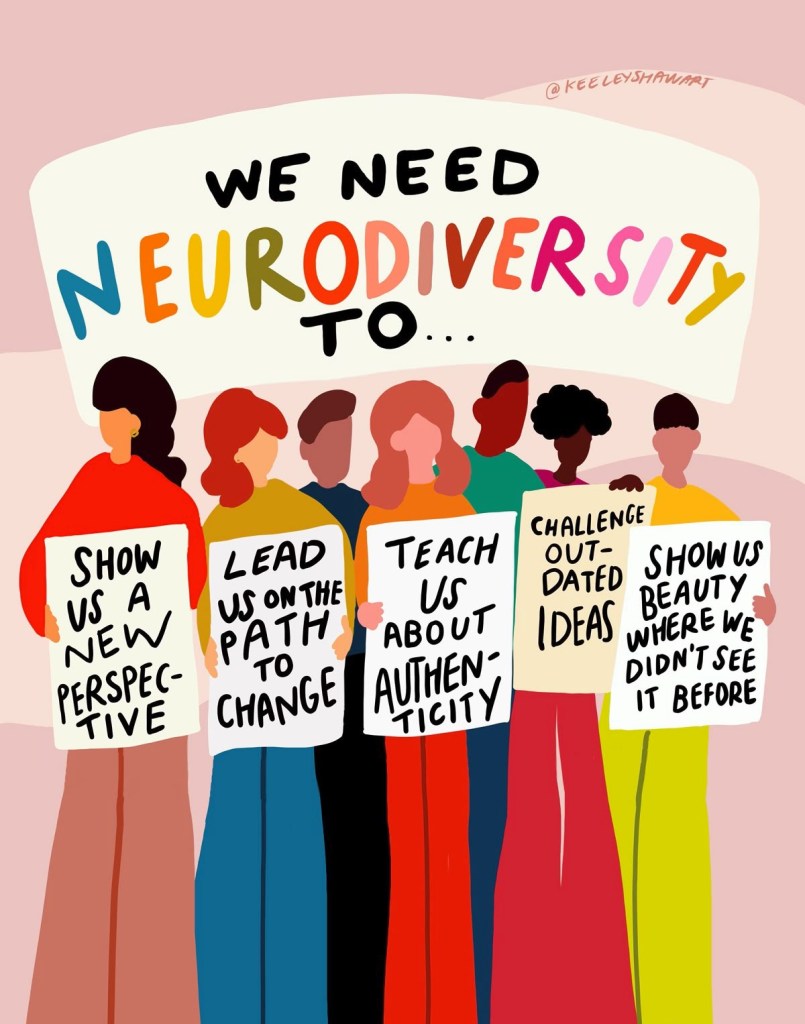
For a long time, the clinical status quo has relied heavily on deficit-based models. These frameworks often focus on what needs to be “fixed” or “managed,” rather than recognizing the inherent strengths, unique perspectives, and profound capabilities that neurodivergent individuals bring to the table. As professionals, advocates, and allies, we have a responsibility to challenge these outdated narratives.
Valuing Lived Experience
Real empowerment starts when we center lived experience. When we view social work and therapeutic support not as a means to mold someone into a neurotypical standard, but as a tool to amplify their own voice, the entire dynamic shifts. It requires moving away from reactive interventions—waiting until a crisis occurs to offer support—and moving toward proactive, community-based care.
Building inclusive environments means looking critically at the ethical implications of the therapeutic practices we utilize and endorse. Are we fostering autonomy? Are we prioritizing self-determination? True advocacy means ensuring our practices align with these values.
The Power of Self-Advocacy
Navigating educational and societal structures can be incredibly daunting. Systems are not always built with neurodivergent minds in mind. This is where understanding legal rights and championing self-advocacy become paramount.
When individuals are equipped with the knowledge of their rights—whether in a classroom, a workplace, or a clinical setting—they are better positioned to advocate for the accommodations and respect they deserve. Our role is to stand alongside them in that self-advocacy, dismantling the systemic barriers that make those environments so difficult to navigate in the first place.
Moving Forward with Resilience
Professional resilience isn’t just about weathering a challenging field; it’s about continuously learning, adapting, and striving for better systems. It is about holding curiosity above judgment and advocating for models of care that are deeply rooted in respect and empowerment.
As I continue my BSW coursework and look ahead toward clinical practice, this commitment to a strengths-based approach remains at the forefront. We have the opportunity to build a landscape of support that celebrates neurodiversity rather than pathsologizing it.
Let’s keep the conversation going:
- How do you see strengths-based models making a difference in your community or field?
- What steps can we take to better amplify neurodivergent voices in clinical spaces?
I’d love to hear your thoughts in the comments below.


 Rooted
Leave a comment